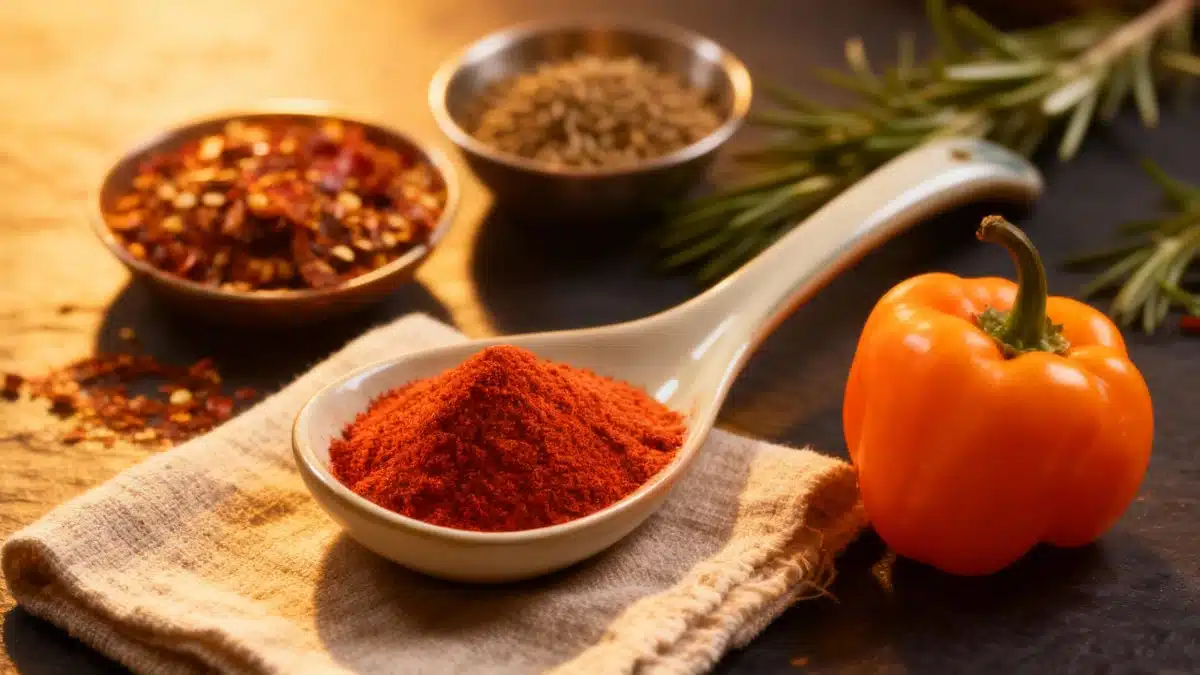
Brace yourself: that innocent-looking jar of paprika on your kitchen shelf? It’s not just crushed red stuff. Oh no, the deep, spicy truth goes much further—and yes, there are some secrets hiding in that vibrant powder!
A Journey from Ancient American Origins to European Fame
Paprika’s journey really is the stuff of world history. Before it was an ever-present hero of kitchen cupboards, paprika began life in Central America, lovingly cultivated by the Aztecs and Mayas. But this spice wasn’t content to stay put: thanks to Christopher Columbus (explorer, and apparently future culinary influencer), paprika-bringing peppers made their big entrance in Europe during the 15th century.
Once settled in Europe, paprika put down roots, especially thriving in countries like Hungary, Spain, and Turkey. Today, these nations are recognised as the unrivalled champions of top-quality paprika. Hungarian paprika is especially prized for its aromatic richness. Spanish paprika, particularly from the region of La Vera, is often smoked over oak wood, granting it a complexity that will make your palate do a happy dance—even if your feet stay firmly in the kitchen.
The Art of Paprika Production
No, paprika doesn’t just appear on grocery shelves by magic (unfortunately). The process is practically an art form! It all starts with peppers which are separated, dried, and then finely ground into the brilliant powder we all love. And here’s where it gets spicy: The real magic lies in which parts of the chili are used during production—each choice gives rise to a different variety and flavor profile.
But paprika is much more than just ground-up peppers. Producers sometimes add other ingredients to ensure the color remains vivid and the taste is top-notch. Here are a few top secrets you might find inside that jar:
- Vegetable oil – used to help set that famous vibrant color.
- Smoky aromas – extra depth for your stews and sauces, especially in Spanish styles.
- Natural colorants such as carotene – brightens things up even further.
- Food-safe preservatives – always in compliance with strict regulations, for maximum safety.
So, the next time someone says paprika is “just dry chili,” you can lean in and reply (with the knowing look of a true foodie): Not quite!
A Culinary Dramatic Actor—Not Just a Supporting Role!
Even with these additional touches, the authentic taste of paprika stands tall and proud. Lovers of hearty stews, tajines, paellas, soups, or even those throwing paprika onto roasted veggies and cheeses know it’s an essential flavor ally. But its talents don’t end there!
Paprika isn’t just a flavor booster; it can quite literally transform your dishes into culinary showstoppers. A generous sprinkle adds a golden-red color and a visual flourish to ordinary meals, imbuing every plate with a bit of culinary glam—or, if you like, “panache.”
More Than Just a Pretty Powder—the Traditions Behind the Jar
Paprika is so much more than a colored dust. Each jar is a direct link to centuries of culture, ancestral knowledge, and global discovery. So, next time you unscrew a new pot of paprika, take a moment to imagine all the traditions that come pouring out alongside that fragrant red cloud.
It’s not just seasoning—it’s a tiny, edible summary of history, heritage, and generous culinary spirit. And the best news? Every time you add it to your recipe, you’re not just enriching the taste, but bringing some spicy spectacle to your plate.
Your kitchen will never see paprika in quite the same way—and neither will your taste buds!

John is a curious mind who loves to write about diverse topics. Passionate about sharing his thoughts and perspectives, he enjoys sparking conversations and encouraging discovery. For him, every subject is an invitation to discuss and learn.