Pressed for time? That pot of water stubbornly refusing to boil can feel like your sworn enemy when dinner is on the line. Grabbing hot tap water might seem like a harmless little shortcut—but what if this supposedly harmless habit is actually riskier than you think? Buckle up, water warriors: it’s time to discover what really lurks behind your kitchen tap!
The Temptation of Hot Tap Water: Faster Cooking or Hidden Risk?
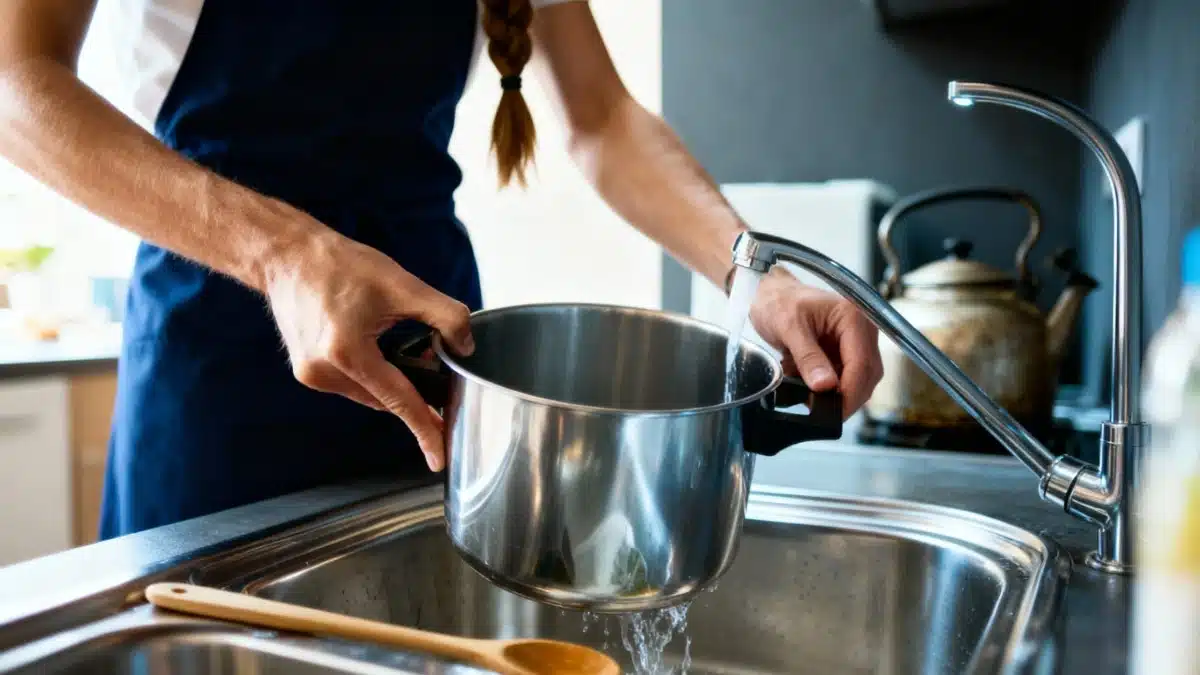
We’ve all been there. You glance at the clock, your stomach grumbles, and you spot your way out: hot tap water! Just pour some in the pan and watch that boiling time shrink.
On the surface, it feels brilliantly practical. Who hasn’t thought of—maybe even sworn by—this little trick to accelerate their pasta-night routine? The truth, though, is that this gesture is far from as innocent as it appears.
What’s Really in Your Hot Tap Water?
Here’s the big surprise: that hot water doesn’t come directly from a pristine, sparkling reservoir. Oh no. It’s actually been lounging in your water heater—a tank where it frequently sits still for quite some time. Just imagine a liquid hanging around too long: bacteria love that stuff. Some, like legionella, are persistent and even dangerous to your health. So before you add a dash of hot tap water hoping for a time bonus, remember you might also be serving up some unwelcome bacteria in your meal. Not exactly the kind of garnish you want!
The Pipe Problem: Metals on the Menu
But wait—the risks don’t stop at invisible germs. While you might think hot water is only about shaving down those excruciating minutes, it can actually stir up another, lesser-known issue: the pipes themselves. Hot water is far more aggressive than cold. It breaks down the materials in your plumbing—copper, iron, and sometimes even lead, lurking in the bones of older houses. What happens next? Those heavy metals can end up dissolving right into your water, destined for your favorite soup.
It’s not just unappetizing; it’s a genuine health concern. Suddenly, that quick fix starts to look much less appealing. Who wants to season their food with a pinch of iron or a touch of lead?
Quick Solutions: Safe Ways to Save Time in the Kitchen
Feeling nervous to put the kettle on, literally? Don’t worry—there are tried and true tricks to help the water work for you, minus the danger. Here are some simple approaches to speed up your cooking without risking your health:
- Use cold, clean tap water instead: Always start with fresh, cold water in your pot. It’s the safest bet.
- Cover your pot: Pop a lid on while boiling water—this cuts boiling time considerably without any added risk.
- Opt for a kettle: A tried-and-true classic! Boiling water in a kettle, then pouring it into your pot, is fast and safe.
These tips keep both your dinner and your peace of mind intact. Who said you had to sacrifice health for haste?
Conclusion: Play It Safe for Culinary Calm
Tempting though it may be, using hot tap water to save a few minutes in the kitchen simply comes with too many invisible risks. Instead, reach for reliable, practical solutions like filling your pan with cold water, using a lid, or working with a kettle. Cooking will be quicker without giving up safety or well-being—and you’ll be prepared to face the stove with complete serenity (and without any sneaky surprises in your food)!
Mathilde, a passionate web writer specializing in the culinary arts, is dedicated to inspiring all food lovers with practical tips, accessible recipes, and creative ideas that celebrate the joy of cooking and sharing meals.

John is a curious mind who loves to write about diverse topics. Passionate about sharing his thoughts and perspectives, he enjoys sparking conversations and encouraging discovery. For him, every subject is an invitation to discuss and learn.