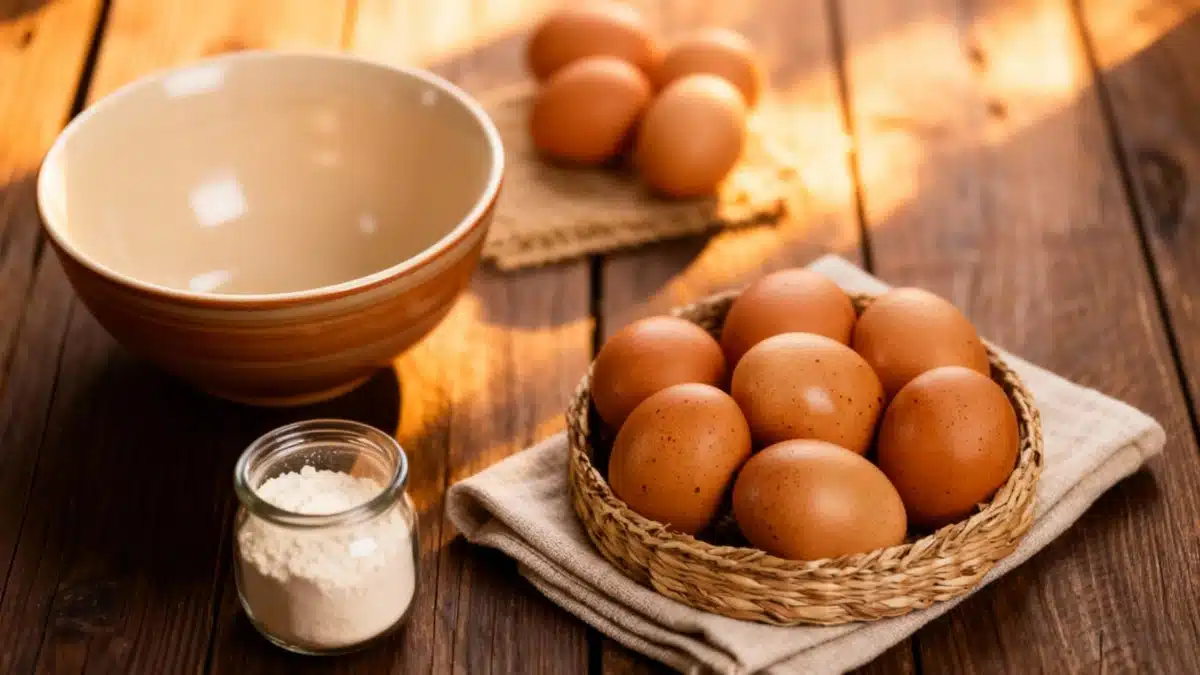
They sit there, stacked in their neat little carton or plastic box, proudly occupying that iconic spot in your fridge door. But what if I told you that this is, in fact, possibly the worst place to keep your eggs? Yes, lurking behind this seemingly innocent kitchen habit is a mistake many make without even knowing it—one that could spell disaster for your best recipes, and worse, your health.
The Great Egg Storage Debate
- Some people keep eggs right on the countertop, letting them bask in kitchen glory like culinary trophies.
- Others are religious about parking their eggs in the fridge door’s dedicated compartment (because why would the fridge manufacturers add that option otherwise?).
So, who’s right? Well, as with many things in life (and cooking), both camps can be correct—but never at the same time. It all depends on how your eggs were stored before they arrived in your kitchen. If they were kept chilled at your supermarket, you absolutely must continue the cold treatment and store them in your fridge. Why? Disrupting what’s known as the “cold chain” gives a warm welcome to unwelcome guests like salmonella, a bacteria happy to crash your brunch.
But eggs sold at room temperature? In that case, you don’t have to refrigerate them—so long as your kitchen stays under 25°C (about 77°F for those who don’t speak metric). During summer or in a particularly sunny kitchen, though, it’s safer to stash them somewhere cool, stable, and dry.
The Real Enemy: Temperature Swings
Here’s the real yolk of the matter: It’s not so much where you keep your eggs, but how consistent the temperature stays. The absolute worst habit? Shuffling eggs back and forth from fridge to counter and back again. This game of culinary hot potato creates “thermal shock.” The eggshell, that marvel of nature, can weaken and let those sneaky bacteria slip inside. Not the kind of surprise you want when you’re cracking open eggs for a fluffy omelette!
Now, back to that fridge door. While it seems like prime real estate for eggs, it’s actually a temperature rollercoaster. Every time that door swings open (and let’s face it, who isn’t fridge-gazing for inspiration several times a day?), your eggs are exposed to temperature swings that encourage bacterial growth—a risky business for your health and your recipes.
The Ideal Egg Storage: Cooler—and Quieter—Is Better
- The preferred egg abode? An inner shelf in your fridge, where the temperature is steady and calm.
- If eggs are a staple in your kitchen, keep them in their original carton. This packaging acts as a shield, guarding against moisture and kitchen odors (because no one wants a garlic-scented custard).
Proper egg storage isn’t just a safety precaution—it preserves your eggs’ texture and taste. When eggs are stored right, their whites stay firm, and their yolks remain delightfully round and plump. Trust me, this makes all the difference whether you’re whipping up a pillowy omelette, a delicate cake batter, or perfectly creamy baked eggs.
Egg Freshness: A Simple Kitchen Test
If you want to know whether that egg’s still good, reach for a glass of water. Drop the egg in:
- If it sinks, it’s fresh and ready for your culinary creations.
- If it floats, it’s time to wish it farewell and toss it out.
A bonus tip for the most organized among us: jot down the egg purchase date on the carton if it’s not already labeled. Eggs usually keep for about three to four weeks after the laying date—plenty of time for all your delicious plans (unless you’re feeding a small army).
In the end, storing eggs is a bit like watching over a quiche in the oven or letting dough rest—it takes a little vigilance, but the result is well worth the small effort. Why not take a moment to rethink those daily kitchen gestures? A few simple tweaks might be all it takes to preserve the quality of your dishes—and your health. Because in the kitchen, as in life, a little care goes a long way.

John is a curious mind who loves to write about diverse topics. Passionate about sharing his thoughts and perspectives, he enjoys sparking conversations and encouraging discovery. For him, every subject is an invitation to discuss and learn.