Think freezing your chicken is a surefire way to dodge any kitchen disasters? Not so fast! One very common habit may actually be sabotaging your hard-earned efforts and putting your health at risk. Intrigued? Pull up a chair (or a cutting board) and let’s dive into this mistake that everyone needs to stop making before tossing their chicken in the freezer.
Why Freezing Is Not a Magic Wand
Let’s get this right out of the fridge: freezing is an incredible kitchen ally. It stretches the shelf life of your chicken, saves precious time, and helps you prep ahead. But, as some would-be kitchen wizards have learned, certain seemingly innocent habits can throw a wrench into the works. For example, have you been rinsing your chicken before freezing it? Time for a reality check.
It may seem like a sensible move—after all, clean chicken is good chicken, right? However, according to experienced butchers, that extra rinse could actually encourage the growth of bacteria. Suddenly, your shortcut to food safety looks a lot less safe.
The Chicken Conundrum: Popular but Perilous
Chicken remains one of the most popular meats in France, but it’s also one of the most fragile when it comes to bacteria. Salmonella, the notorious food poisoning culprit, finds chicken particularly appealing. So, rinsing your chicken in water before freezing might feel like a hygiene win, but it’s actually a misstep.
According to Slim and Karim, renowned butchers at “Les Jumeaux” in Les Lilas, not only is this habit pointless, it’s downright risky. Here’s why: water used to rinse the chicken can seep into the meat itself. Once the chicken is frozen, all that extra moisture turns your freezer into the ultimate party spot—for bacteria, that is. Instead of killing them, the cold and wet combo gives them an ideal breeding ground to multiply. And when you finally thaw and cook your meat, you may find quality and safety have both flown the coop.
How to Freeze Chicken Properly (No Germs Invited)
So what do you do instead? The golden rule is simple and easy to remember: never rinse your chicken before freezing. But to make your next deep-freeze mission flawless, here’s a quick checklist for safe chicken storage:
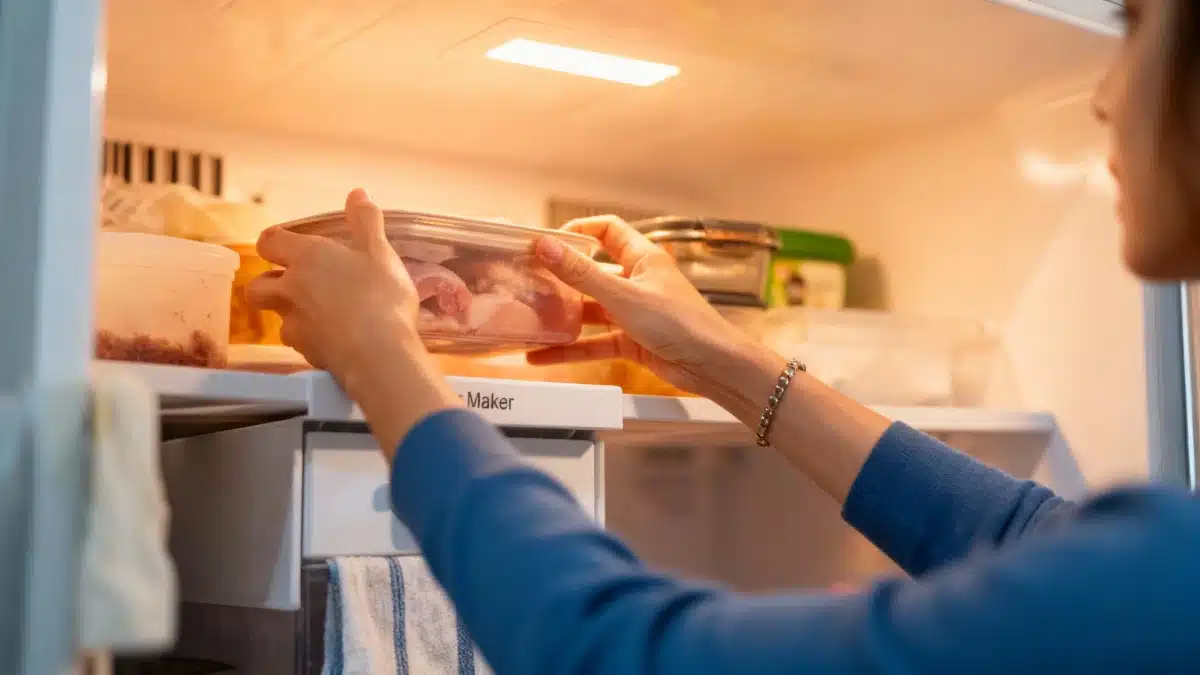
- Skip the rinse: Place your chicken straight into a freezer-safe, airtight bag or container. No pre-wash needed!
- Airtight is right: Seal everything up to keep out air and bacteria.
- Label and date: No one wants a chicken guess-the-age game later.
Preparation done? Excellent. But the safe journey doesn’t end when you close the freezer door—it’s also about how you thaw your chicken.
Defrosting: The Stage Where Many Stumble
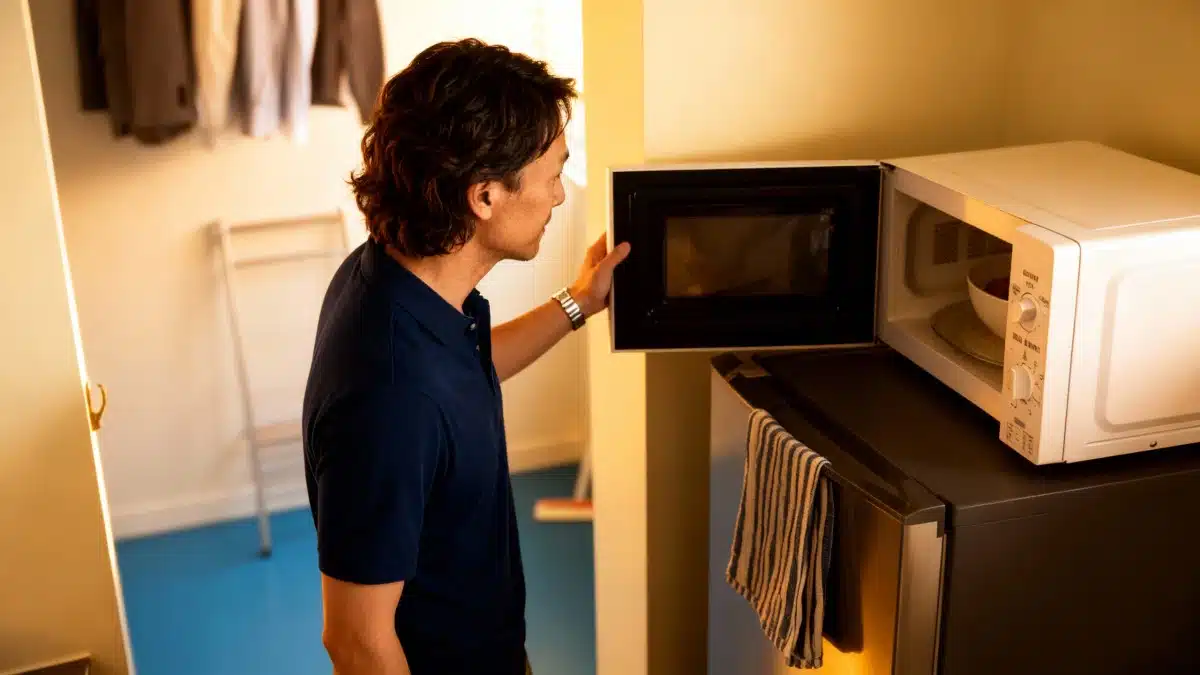
The freezing part may sound easy, but defrosting is just as crucial. Never leave chicken to thaw at room temperature. This is one of the most common and risky mistakes you can make in the kitchen. If the chicken hangs out at room temp for too long, it enters the « danger zone » where bacteria can multiply with wild abandon.
The butchers recommend a simple, safe method: move your chicken to the fridge a full 24 hours before you cook it. This slow, controlled environment keeps bacteria in check and ensures your chicken thaws evenly and safely. Remember, food safety always starts with the right defrosting techniques.
So, to sum up your route to feather-free peace of mind:
- Don’t rinse your chicken before freezing.
- Store chicken in a sealed, airtight bag.
- Always defrost slowly in the refrigerator, never at room temperature.
By following these practical steps, you’ll keep both the flavor and safety of your chicken intact. Every stage—storage and thawing—matters when it comes to eating well and cooking safely.
So, go ahead and stock up that freezer—just remember that, with chicken, every detail counts for a safe and delicious kitchen!

John is a curious mind who loves to write about diverse topics. Passionate about sharing his thoughts and perspectives, he enjoys sparking conversations and encouraging discovery. For him, every subject is an invitation to discuss and learn.